


Are You Taking Care Of Your Gut Microbiome?
 The ‘gut microbiome’ is a hot topic of conversation these days, but do you really know what it is and the important steps you can take to care for it? The health of your gut goes much deeper than merely popping a probiotic. Let’s give you a little insight to take back to your circles of influence that are buzzing on the topic!
Did you know that right now, you are harboring within you an entire ecosystem?! There are literally trillions of bacteria in the digestive tract. They make up what is called the microflora, because under a microscope, they look like little (micro) flowers (flora).
We refer to it collectively as our microbiome, which plays an unbelievable role in synthesizing vitamins, producing natural antibiotics and degrading and eliminating toxins. You are truly made up of MORE bacteria than human cells!
Recent science (that is ever-evolving) has taught us that the microbiome also dictates aspects of who we are – our personalities, our susceptibility to certain diseases, our mood, and even the size of our waistband. Most people are oblivious to it, paying no attention to it at all… until it begins to let us know it is hurting!
It is not just the stomach, intestines, or colon that make up the microbiome. It is the entire tube (GI tract) that runs through us, which is 30 feet long and has an opening on each end… the mouth to the anus. If we were to stretch this out, it would equal the side of a telephone pole! The GI tract (or internal tube) maintains a temp of 98.6 degrees and is a very moist environment, making it the perfect breeding ground for microbes – both good and bad bugs.
Outside, external influences often upset the balance, leading to an unbalance called dysbiosis. How we choose to control the external influences determines the delicate balance of good and bad bacteria. It is up to us – we must care for them and understand what can influence them. It is crucial to good health and requires more than a probiotic, which can help or harm your unique microflora depending on the situation.
Factors That Affect the Microbiome
Food, medications, stress, anxiety, genetics, time spent outdoors, exposure to animals, toxin and chemical exposure, antibiotic use throughout our lives, how we were born — C-section or vaginally — whether we were breast-fed, how much we sleep… it can all impact the microbiome.
For most of us, our guts are a mess – whether we know it or not. An unbalanced gut doesn’t always show up in symptoms of the gut. It can influence development of other illnesses (check out the connection to thyroid), show up in symptoms of the skin, sinuses, weight issues, fatigue, and much more.
Our current culture has created a microbiome that looks very different from what nature intended for each of us. So, how do we intentionally nourish our gut?
Eat Foods That Promote Healthy Gut Flora – Like These
- Eat organic, non-GMO. When possible, support and buy from your local organic farmers. These foods are low in pesticides and have not been genetically modified, which can alter your flora and damage your intestinal lining, causing leaky gut.
- Mindfully select a rainbow of colorful vegetables and some fruit every day. They will provide fermentable fibers that feed our healthy flora. Aim for at least 1 or more cups with each meal and 3 or more colors per meal!
- Include coconut products like coconut oil, milk, yogurt and kefir. Coconut is filled with medium chain triglycerides which feed the cells lining our intestines and has yeast-killing properties. New to coconut oil? Coat your pan before cooking your eggs or check out my Cauliflower Sweet Potato Mash recipe!
- Incorporate Ghee, which is clarified butter and dairy free. Ghee is filled with butyrate, a critically-important fatty acid for the care and feeding of cells in our colon.
- Include healthy anti-inflammatory oils and fats such as fish, flax, avocado, grapeseed, and olive oil. Look for cold-first pressed organic non GMO oils. For more information on choosing quality oils, see my blog post. Also include raw nut butters like almond and cashew as well as raw nuts. See my blog on nuts.
- Choose grass-fed, pasture-raised, or free-range organic animals when possible. This will limit the hormones, antibiotics, and pesticides that we are exposed to when eating animals raised in typical feed lots. Also, the meat from grass fed animals have higher quality, anti-inflammatory fats than corn fed animals.
Additional Considerations
In addition to eating the best foods for gut microbiome, supplements may be needed to support the gut. These include digestive enzymes, natural motility agents, pre and probiotics, zinc carnosine, glutamine, magnesium, HCL and betaine – especially if you have low stomach acid. Each person is different and has unique and specific needs. You should never start supplements without guidance from a qualified practitioner who can help you use food to work synergistically and ensure there is no contraindication with your medicine or health issues when taking supplements or herbals.
Testing may also be important to consider, whether it be traditional labs, stool cultures, food and environmental sensitivity testing, to help determine root cause to an imbalanced microbiome and provide a roadmap for recovery!
It Is Equally Important to Remove These Foods:
- Processed food high in sugar, white flour, baked goods, food dyes and preservatives shouldn’t be a part of any diet for dysbiosis. These foods and chemicals promote the growth of the wrong kind of bacteria in our gut. This includes fruit juices, dried fruit, and all added sugar or artificial sweeteners (except stevia).
- Gluten, dairy, soy, corn (and for some eggs and peanuts) are also not good. These foods are the most common triggers for reflux, constipation, and abdominal discomfort, as well as other non-gut related symptoms.
- Avoid foods high in histamines while on a gut dysbiosis diet . This includes shellfish, processed or smoked meats, sausages, and wine. Many people are affected by histamine intolerance caused by the body’s inability to break down histamine in the gut causing crazy allergy reactions. Reactions to histamines can look like allergic reactions, including nasal congestion as well as headaches, dizziness, and digestive discomfort.
Since 70-80% of your immune system is in the gut, taking care of the microbiome is essential to good health.
Are you struggling with IBS, gastroparesis, GERD, SIBO, chronic constipation, skin issues, sinus troubles, autoimmune disease like Hashimoto’s or Ulcerative Colitis? Then it is time to take action to optimize your microbiome and immune function!
“Everyone Has a Doctor in Him or Her: We Just Have to Help It in Its Work. The Natural Healing Force Within Each One of Us Is the Greatest Force in Getting Well” – Hippocrates
I would love to partner with you on your journey to heal your gut and care for your microbiome!
Julie
Valentine’s Day Indulgence That Benefits Your Heart & Mood!
 Do you have a LOVE AFFAIR with chocolate….did you wake up this Valentine’s Day morning with IT on your mind…knowing TODAY is your day to indulge? You are not alone…the world’s love affair with chocolate has grown over the years. Americans consume around 18 billion dollars worth of chocolate every year, with dark chocolate being the greatest trend due to its rich and intense alternative. This has certainly peeked the creativity of culinary artists experimenting with new ways to include dark chocolate in almost any form of food.
So the real question…..are there really benefits of dark chocolate…and what type and how much?
REJOICE dark chocolate lovers…the answer is YES! But only with awareness and mindfulness may you truly reap the health benefit. It is important to consider the source, type, and how it is made since dark chocolate can be high in unhealthy fat, sugar, pesticides, preservatives, and food coloring/dyes.
Fortunately...savoring small amounts of quality (preferably organic) dark chocolate (~1.5-2oz) that is minimally processed and contains 75-95% of cacao will deliver health benefits!
The Benefits of Dark Chocolate:
- Improve your MOOD: The high amount of polyphenols found in chocolate are phytochemicals shown to improve depression, anxiety, and other symptoms of chronic fatigue syndrome. A recent study showed that performance on cognitive test significally improved in elderly individuals with mild cognitive impairment if they consumed a cacao drink continuing high levels of flavonols for 8 weeks, compared to those who consumed a drink low in flavonols. (Flavonols are a member of the polyphenol family found in natural plant food sources.)
- Acts like a probiotic in your GUT: Your healthy bacteria in your gut loves to eat chocolate too! Nutrients found in chocolate, such as the polyphenols, antioxidants, and fiber are not easily digestible. However, when good bacteria feeds on the fiber, compounds that are smaller, better absorbed, and non-inflammatory are released. This can impact the inflammation that occurs in cardiovascular tissue and why is is thought to help the heart.
- Can help your HEART health: The heart is really where it’s at when it comes to benefit. Research shows that the flavoinds in chocolate can help lower levels of bad LDL cholesterol. Flavonoids can also significantly decrease systolic blood pressure in healthy older adults. It may also help improve insulin resistance and endothelial dysfunction, both of which have a positive effect on the heart. A study published in JAMA found that those who ate chocolate twice a week who previously suffered a heart attack, compared to those who never ate chocolate, had a 66% lower risk of death from heart disease! (Remember folks…moderation! Chocolate alone won’t save your heart!)
- May stimulate your BRAIN to help you be more alert and attentive: Did you know that a good afternoon “pick me up” just may be the dark chocolate you are avoiding? A square or two of dark chocolate (remember, the darker the better) can have a significant stimulatory effect on the brain, which can make you more alert and attentive. Although researchers are not quite sure why, cocoa has this type of effect on the brain that researchers do know increases the occipital beta EEG readings, which corresponds directly with attention and alertness. (See below Cacao vs. Cocoa.) One of my favorite afternoon pick-me ups: Mix of raw almond, pumpkin seeds, goji berries, and cocoa nips!
So we know the ganache and fruit filled truffles and organic dark chocolate bars peppered with candies and sweetened dried fruit is not your ticket to good health! But instead a good quality dark chocolate will literally have an impact from head to toe.
(Check out the AMAZING truffle recipe below full of benefit this Valentine’s Day and beyond!)
CACAO VS. COCOA

What s the difference between cacao and cocoa?
In a nutshell, cacao is the purest form of chocolate we can consume (and the best). It s derived from the Theobroma Cacao, which translates to Food of the Gods. The cocoa bean is the basis of all chocolate and cocoa products, including cacao nibs. Every chocolate maker has a secret roasting formula of time and temperature to bring out a unique set of flavors from the bean. When the bean is cracked open and the papery husk is removed, the cacao nib comes into being.
Cacao contains more than 300 compounds, including protein, fat, carbohydrates, fiber, iron, zinc, copper, calcium and magnesium. Cacao is also high in sulfur, which helps form strong nails and hair.
Cocoa powder is basically finely ground cacao nibs, making them another minimally processed alternative to dark chocolate bars. You can sprinkle cocoa powder on foods, add it to smoothies, or use it to make hot chocolate or brain-healthy dark chocolate snacks and desserts. Avoid cocoa powder that is labeled Dutch chocolate or lists alkali in its ingredients. The alkalization process destroys cocoa s flavonoids antioxidant, anti-inflammatory compounds that provide many of cocoa s health benefits.
My 2 favorite brands for organic cacao nips and cocoa powder is Natives Naturals and Sunfoods Superfoods!
VALENTINE’S DAY TREAT (with Benefits)
Self-love starts with taking care of our body…even during the holiday season;). BUT make sure that food is still delicious and indulgent. I have been looking for an inspirational treat to share with you to keep you eating healthy, but loving every minute of it. Known as Canada’s Spice Queen, organic spice purveyor, and founder of Spice Sanctuary, Trusha Patel shared one amazing recipe (I am actually making it RIGHT NOW) and I wanted to share it with you!
High in protein from cashew butter and almond flour, sweetened with B6 and iron-rich blackstrap molasses (although I prefer using 100% maple syrup), covered in heart-healthy and antioxidant-rich dark chocolate and infused with a super balanced spice blend traditionally used to make golden milk or a turmeric latte, these Golden Milk Dark Chocolate Truffles will definitely do the trick.
Turmeric is always a key ingredient in making Golden Milk and revered for its anti-inflammatory, antioxidant, and liver cleansing properties and definitely a spice we should all be consuming more of. (We sure do in my 10-Day Detox program!).However, turmeric does need to be used in a specific way for it to be properly absorbed and utilized by the body. Use with black pepper (but not if you have an ulcer or gastritis) and a good fat such as coconut oil. I love this recipe for Valentine’s Day since she has added both anti-inflammatory AND aphrodisiac spices into the recipe ….cardamom and ginger! …Oh my!
GOLDEN DARK CHOCOLATE TRUFFLES
(Recipe from Trusha Patel, founder of the Spice Sanctuary)
Ingredients:
- 3/4 cup cashew butter
- 1/4 cup almond flour
- 2 tsp. blackstrap molasses (or substitute maple syrup)
- 1 teaspoon maple syrup (optional but makes the truffles sweeter)
- 2 teaspoons coconut oil, melted
- 1/2 teaspoon turmeric powder*
- 1/4 teaspoon ginger powder*
- pinch of black pepper*
- OR 3/4 teaspoon Golden Milk Spice Blend from Spice Sanctuary*
- 1/2 teaspoon ground cardamom
- 40 grams good-quality organic dark chocolate, melted
Directions:
1. To make the truffle filling, mix cashew butter, almond flour, and molasses in a bowl using a fork or electric whisk.
2. In another bowl, combine the coconut oil and spices and mix well before adding into the cashew butter mixture and folding it in thoroughly.
3. Take a small spoonful into your hand and roll the mixture into a round ball, approximately half an inch in diameter, and place on baking parchment on a tray. Repeat until all the mixture has been rolled. Chill in the fridge for 30 minutes.
4. Melt the chocolate in a bowl. Using a spoon, dip the truffles into the melted chocolate before returning to the tray again. Repeat until all the truffles have been covered in chocolate. Refrigerate for another 30 minutes and serve.
The chocolates are best stored in the fridge in an airtight container and best eaten within a few days…which shouldn’t be a problem at all.
Happy Valentine’s Day & Heart Month!
Cheers to Indulgent Healthful Bliss,
Julie xo
ps. drop me a line and share YOUR favorite dark chocolate recipe or treat!
Fall “FLAVORIZERS” for Good Health
 Welcome Fall! A perfect time to enter the season armed with healthy “flavorizers” (AKA: Dressings & Spreads) that tingle the tastebuds AND keep you healthy. If you missed my last blog on the benefits of fat…check it out. I challenge you to shake things up when planning your meals this season. Aim for a variety of different types of fat! Avoid eating the same type over and over (ie. olive oil and almonds)…which don’t provide all essential nutrients or the benefit of “balance”. Go crazy and try a new oil (walnut or avocado – my 2 favorites) or nut (pistachio or Brazil). Enjoy these recipes (or create your own) to include fat, flavor, variety, and benefit for good health!
5 “Flavorizers” to Flavor your Fall!
I would love to hear your thought and feedback. Give them a try then drop me a line!
Get inspired this Fall… 🙂 Julie
Spiced Coconut Spread
- 1 cup solidified unrefined coconut oil (be sure it is not soft or liquid!)
- 1/2 cup 100% maple syrup OR local raw honey, to taste
- 2 teaspoons cinnamon
- 1/2 teaspoon nutmeg
- 1/4 teaspoon pumpkin pie spice
- 1/4 teaspoon cardamom
- 1/2 teaspoon unrefined sea salt
*Note: Switch out spices you most enjoy – can sub cloves or allspice for others
Makes 1-3/4 cups to 1 pint.
Place all ingredients in your food processor. Process on high for about 1 minute. Don’t over blend, or the coconut oil will liquefy and separate from the honey or syrup. Once your spread looks thick and creamy, transfer to a pint-size jar for storage. Keep in refrigerator and soften as needed.
Use as you would butter! Delicious on toast, breads, sweet potatoes, and off the spoon!
Olive Cashew Spread
- 1 cup cashews, soaked
- 1/4 pitted kalamata olives
- 2 garlic cloves, crushed and minced
- 2 tablespoons olive oil
- 2 to 3 sprigs parsley
- 3 to 5 sprigs basil, or to taste
Makes ~1 cup.
Place nuts, olives, garlic in a food processor and combine until mixture appears crumbly. Add in olive oil and process until smooth or texture you prefer. You can add a mixture of water and olive oil if preferred. Add in herbs and whirl until combined. Taste and adjust seasonings as needed. Enjoy as an appetizer on crackers, veggies, or in wraps.
Cranberry Vinaigrette Dressing
- 1 shallot, peeled, cored and quartered
- ½ cup fresh cranberries
- ¼ cup extra-virgin olive oil
- ¼ cup walnut oil
- 2 teaspoons red wine vinegar
- 1 teaspoon chopped fresh thyme
- 1 teaspoon honey
- ½ teaspoon salt
- ¼ teaspoon freshly ground pepper
Makes: 3/4-1 cup.
Puree shallot, cranberries, olive oil, vinegar, walnut oil, thyme, honey, salt and pepper in a food processor or blender until as smooth as possible. Store in a jar in the refrigerator for up to 1 week. Enjoy on salads, sandwiches, meats, and grains!
Basil Pistachio Nut Dressing
(From Rebecca Katz Longevity Kitchen)
- 1 cup fresh basil leaves
- 1/2 cup shelled pistachio (unsalted)
- 1/3 cup olive oil
- 1 tablespoon fresh squeezed lemon juice
- 1/4 teaspoon each salt & ground black pepper
- 1 tablespoon (or more) water
- Extra squeeze lemon juice as needed
Makes ~ 1 cup
Place all in a blender and puree until smooth. Store in a jar in the refrigerator up to 1 week. Enjoy on salads, sandwiches, meats, and grains!
Basic Vinaigrette
- 3 parts oil,one part vinegar
- 1 crushed small clove garlic
- 1 tsp mustard
- 1 tablespoon fresh chopped herbs (tarragon, thyme, parsley, oregano, basil etc)
- Pinch salt & pepper.
- Tiny pinch of sugar or maple syrup
Combine in a bowl or jar. Mix, taste, and thin with water to desired consistency. Enjoy on your favorite salad or wrap.
FALL for Fat…Its Good for You!
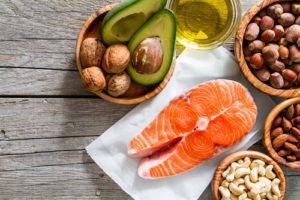
Do you avoid or limit the ONE food group that could remarkably improve health… FAT?! The anti-fat revolution of the ‘80’s, when all fat was deemed bad and fat-free was the craze, continues to leave its negative mark. Many of my clients find it challenging to “trust” the current research… that FAT will improve health, hormones, gut, and waistline! Yes, salmon, nuts, and avocado are great choices … but having more variety and liberal amounts are important. So WHY is fat necessary? And WHICH fat is best? Here are just the basics.
The Basics & What You Should Choose
First, fat contains key nutrients (depending on the type) such as omega 3 fatty acids (wild fatty fish, walnuts, flax), glutathione (avocado), zinc (nuts/seeds/meat), medium chain triglycerides (coconut oil)….and so much more!
Second, fat and protein are necessary at meals and snacks to feel full and help regulate blood sugars and hormones. However, all fat is not created equal! The “good” fats have an extremely positive impact on the body from hormone regulation, to improving gut health, lowering cholesterol, calming chronic inflammation, and even aiding in weight loss. These are essential fatty acids; fats that our body can’t produce. Eating them is “essential” for the body to function ; monounsaturated fats, polyunsaturated fats (omega 3 and omega 6’s), and saturated fats (once discarded as “bad”). I work with clients to help discover the right amount and variety of good fats to meet specific needs and achieve optimal health outcomes.
Healthy Fats to Include:
Monounsaturated Fats: Cold-pressed oils (extra virgin olive, avocado, peanut), avocados, olives, nuts (almonds, cashews, macadamia, pine, and peanuts)
Polyunsaturated Fats (Omega 3 & 6): Cold pressed oils (grapeseed, flaxseed), fatty fish (salmon, tuna, herring, trout, sardines), nuts (walnuts, pecans, hazelnuts), and seeds (sunflower, pumpkin, chia, hemp, flax)*
Saturated Fat: coconut, egg yolks, organic poultry, grass-fed local beef, clarified butter (ghee)**
*Encourage organic oils, organic pastured raised eggs and raw nuts
Fats To Avoid/Limit:
Processed foods with “partially hydrogenated oils and trans-fats”; specific Omega 6’s such as soybean, corn, or canola oil; fatty meats; and high fat processed dairy products.
**Exception would be ghee shown benefit the gut
Note: I discourage canola oil due to poor stability and the fact that canola is among the top 5 genetically modified (GM) foods (organic is difficult to find)!
HOW you cook with oil is important, otherwise you could miss out on the benefits and hurt your health!
Read my blog: Are you Hurting Your Health by Choosing the Wrong Oils?
How Healthy Fats Impact Inflammation:
The scientific literature is clear that healthy fats can calm chronic low grade inflammation. This is one reason why fish oil is often recommended for arthritis, cardiovascular disease, diabetes, fibromyalgia, and autoimmune disease. Fats are turned into important molecules called prostaglandins that either increase or decrease inflammation in your body.
Start today to ADD more good “fats” to your daily routine…and cut back on sugar and refined carbs.
My favorites: avocado in wraps and smoothies, coconut oil to make eggs, walnut oil drizzeled on salads, homemade dressings with EVOO, nuts and seeds galore!
Don’t miss – “Fall Flavorizers” – quick recipes to add healthy fat!
Share your experiences and recipes! Julie 🙂
Hearty Chicken & Veggie Soup
 It is TIME to PLAN ahead so you can avoid “the surprise” around your middle in the New Year! If you received the JBS Nourishing Newsletter…then you know that I LOVE “one-pot wonders” this time of year. These are recipes that…
- include all your food groups in one mixed meal, PLUS offer a powerhouse of antioxidants, flavoinoids, and anti-inflammatory ingredients
- are easy to make with tons of leftovers (that taste even better days in the frig)
- tingles the taste buds with flavor that impresses even company who dropped by unexpectedly
- fills the craving for Fall comfort food and makes you smile with delight when eating (well at least for me :))
My most important purpose for “one-pot wonders”…is to help me stay on track with the type of high quality “fuel”, nutrients, and energy I NEED this time of year! How about you? Let’s face it, we are all rushing to the store after work, crowding extra commitments into our schedules, surfing the web looking for the “perfect” holiday gift, and dealing with those around us who may be a bit extra “needy” this time of year;)! Seriously, who has time to plan and cook every night? PRECISELY why most of us don’t! And without a plan… we find ourselves eating on the fly, grabbing the closest thing in sight , OR grazing all night long once we get home late. (We have all have been there…there is no denying it…cupboards open, game on!)
So… besides the Hearty Tomato Lentil Stew I shared in my Newsletter (hint: if you are not a subscriber, you may want to sign up!) Also check out the recipe Carrot, Cauliflower, Butternut Squash & Lentil Curry! Here is another recipe that I have tweaked and modified to make it my own, Chicken & Veggie Soup. I hope you enjoy this recipe and other “one-pot wonders” to help YOU stay on track with your eating and wellness plan this year!
Cheers! Julie
ps. If you didn’t realize it is already Mid-November!….Yikes, time to get PLANNING for SUCCESS this Season. Need a bit of encouragement, due for a nutrition tune-up, OR pre-holiday make-over (grin). Contact me, let’s chat!
- ¼ cup raw brown rice
- ¼ cup barley
- ½ cup red lentils, rinsed and picked over well
- ½ cup brown lentils, rinsed and picked over well
- 1 cup celery, sliced
- 1 cup carrots, sliced
- 2 garlic cloves, crushed
- 3 tsp cumin
- ½ tsp. chili powder
- 1 tsp. salt/ ½ tsp black pepper - or to your taste
- 1 pound organic chicken breast - cut into bite-sized pieces
- 4 cups organic veggie broth + 2 cups filtered water
- 3-4 Tbsp tomato paste
- 4 cups fresh spinach, chopped
- Put all ingredients into a large pot (except the spinach) and bring to a boil.
- Cover and turn down heat to simmer.
- Cook for ~ 1 hour.
- Check seasonings and add extras to your liking.
- Add spinach and cook for another 3-5 minutes.
- Turn off heat and let sit a few minutes to absorb flavors!
- Sprinkle with parmesan, feta, or vegan cheese if desired.
- Enjoy and SAVOR!
- If you are vegan, you can omit the chicken and add cooked tofu or extra beans
- Like your soup with a little more flavor - add ½ tsp cayenne pepper to spice it up
**Note: I highly recommend organic ingredients when able, especially the celery, carrots, spinach, and veggie broth to limit your exposure to veggies that are high in pesticide residue.
Foods to NOURISH Your Gut!
 Are you striving to feel and look your best? Then you need to treat your gut right — and a big part of that involves prebiotics and probiotics.
Hopefully you read the last blog about WHY this may be important for your weight and overall health. However, it is also important to know that as we age, the microbiome –the bacteria and other microbes that live in your gut – tends to decrease in diversity and shift towards more harmful species. That may weaken the immune system and raise risk of obesity, type 2 DM, constipation, and autoimmune related diseases. Foods rich in probiotics (or taking the right supplement) helps support your microbiome… but we must also focus on eating a wide variety of veggies and fruits to provide the prebiotics to nourish and grow more good bacteria. This may be one reason that eating more produce has been linked to longevity!
(Oh….and you thought as a dietitian I just like to “push” this colorful stuff – it works folks and I really want you to feel your best! HONEST! YOU are why I come to work everyday (grin)! )
- Trillions of good microbes live in your GI tract, and they need prebiotics to flourish.
Prebiotics are foods or supplements high in the soluble fiber that your gut microbes love to eat.
Here are some of the best prebiotic foods:
- Onions
- Garlic
- Asparagus
- Leeks
- Bananas
- Chicory root
- Jerusalem artichokes
- Broccoli
- Brussel Sprouts
- Apples
- Beans/lentils
You really want to make sure you get these prebiotics through FOOD verses a supplement when you can. (note: it is often the probiotic supplement we need to add. Some probiotics contain a prebiotic – I prefer foods for greatest benefit!) These foods are particularly important if you need to take an antibiotic, which kill off millions of good microbes along with the bad ones.
- Your gut also needs beneficial bacteria such as probiotics.
One of the best ways to get this is to include proboitic foods in your diet. These foods contain live, beneficial microbes that will settle happily into your ecosystem, helping to build a diverse and well-balanced micro biome. Many of us need to take a probiotic supplement to gain enough healthy microbes in order for our gut to be at its best, especially if you are not a fan of probiotic foods! (ps. you want to make sure you take a probiotic supplement that best fits your needs.)
Probiotic foods include:
- Sauerkraut (the unpasteurized kind in the refrigerated section at the store)
- Kimchi (available in in our specialty stores such as Earth Origins, Richards, and Whole Foods)
- Pickles (the unpasteurized kind in the refrigerated section at the store)
- Coconut kefir
If you aren’t used to sauerkraut and kimchi, give them a chance, you may grow to love them. Sauerkraut is great with eggs or on a sandwich, and kimchi makes a fabulous spicy side dish for any Asian meal or a stand alone snack with rice crackers.
- Add anti-inflammatory foods for an optimal healthy microbiome.
When you feed your gut prebiotics and probiotics, you’ll lay the foundation for a super-healthy gut microbiome. To make it even healthier, eat anti-inflammatory foods that soothe and heal your gut, making it a better environment for your hardworking microbes. Here are some of the most powerful anti-inflammatory foods good for the gut:
- Bone broth – gaining in popularity. Available in some local restaurants (one of my favorite spots to eat- Evergreen Cafe). Interested in making your own? Check this out!
- Berries – any type will do. Go organic when you can since they are part of the Dirty Dozen. Frozen is always a good choice.
- Turmeric – great on eggs, stews, and so many other ways. Did you see this recipe?
- Ginger – fresh is always best but don’t forget the one on the spice rack!
- Curry powder – Fall is a great time of year to break out the warm and savory meals with curry.
- Fatty fish – salmon, tuna, herring, trout, sardines – look for wild and from the USA! Try this quick dish.
- Avocados– so versatile! On sandwiches, with eggs, mixed with tuna/egg salad, eaten alone with a dash of salt.
- Green and leafy vegetables – think “COLOR” at every meal – especially dark green, orange, and red.
- Cruciferous vegetables – brussel sprouts, cabbage, cauliflower, broccoli, asparagus, kale, bok choy…oh my! If you find these disrupt your gut, cook them well to break down some of the fiber… and for some it releases added benefits.
- Green tea – also black teas have also shown some benefit! (oh and this is fresh brewed tea…not the one you find in a bottle.)
When you combine the power of prebiotics, probiotics, and anti-inflammatory foods, your microbiome will keep getting stronger and healthier. As a result, you will likely be more successful with weight loss, your hair will become shinier, your skin will look smoother and younger, and you’ll feel like a Rock Star (well maybe;)!
For those of you receiving the JBS Nourish Newsletter, check out last month’s recipes and links to find more recipes on fermented foods! More recipes to come this week…
Keep your eyes peeled for 2 of my Favorites coming your way – GUT Friendly Muffins (my weakness!) that will have you savoring every bite… and my very own creation of a delicious Lentil Stew that will keep you healthy all winter long…..
Until Then … Keep NOURISHING Well!
~Julie
Remember, one small change can impact your health – start today!
Leave a comment and share. What is working for YOU to nourish your microbiome!
8 Foods That Heal Inflammation

Have you ever woken up feeling puffy, bloated and lethargic?
Have you ever had to deal with breakouts or headaches? How about joint pain, elevated cholesterol levels, unexplained weight gain, and digestive issues? All these can be signs of inflammation.
Let’s be clear that inflammation in our body can be powerful and necessary. It is a key component of the body’s healing response to ensure that adequate immune activity is delivered to an area that is injured or under attack.
It is the “dark side” of inflammation that you can’t feel, which is low-grade or chronic inflammation which is the root of most diseases including heart disease, premature aging, cancer, diabetes, rheumatoid arthritis, gut disorders, and is even linked to obesity.
The increase of available and convenient highly processed foods, fast food, and sugar; changes in our environment; higher rates of chronic stress; poor and inadequate sleep; and exposure to more toxic products and chemicals than ever before may explain why “inflammation is on the rise!”
Now more than ever, we need to mindfully do our part to help “tame the inflammation.” The good news is one way we can do this is to take control of what we eat to ensure an anti-inflammatory response and a glowing and healthy body.
Kinds of Food That Cause Bloating and Inflammation
Here are the top inflammatory foods to avoid if you struggle with digestion issues and other common symptoms.
Foods high in sugar and white flour: Pastries, wheat, yeast, pasta, white rice, white bread, sweets, and sugar create blood sugar spikes, which in turn create inflammation in your body. Typical symptoms are puffiness, achy joints, sluggish digestion, and water retention.
Milk and animal fat products (in large amounts): Make sure you choose organic and free-range chicken and meat. These animals are grass-fed, not grain-fed, which provides you with larger amounts of anti-inflammatory omega-3 fatty acids.
Omega-6 fatty acids: These come mostly from vegetable oils, such as sunflower oil, peanut oil, soy oil, cottonseed oil, and safflower oil. A high ratio of Omega-6 versus Omega-3 fatty acids makes your body more inflamed. Use cold-pressed olive oil instead and take high-quality fish oil supplements.
Fructose: Many refined foods contain fructose (high-fructose corn syrup, for example), and these drive your insulin levels up. This can lead to insulin resistance and chronic inflammation. (ps. This DOES NOT include natural fructose found in fresh fruits!)
Overcooking foods: Whether it is oil heated too high, overcooked eggs, or foods containing trans-fats – they all have a pro-inflammatory effect on your body.
By eating clean, unprocessed foods (and organic when you can – especially the dirty dozen), you supply your body with the nutrients required to increase your body’s defense against chronic inflammation.
Now that we’ve covered the worst inflammatory foods, it’s time to talk about the best anti-inflammatory things you can eat.
Foods That Heal Inflammation
Spinach – It’s one of the most nutrient-dense foods on earth, and so versatile! Spinach is an excellent source of vitamins and minerals, fiber, and is loaded with flavonoids which act as antioxidants, fighting off free radicals (super important!) Research has discovered 13 different flavonoid compounds that act as anti-inflammatory and anti-cancer substances.
To Add: Toss in smoothies, sauté, eat raw in a salad, steam, pureed, toss fresh into soup…. the list is endless! Just “get your greens ON.”
Lentils (and other legumes) – Eating four servings of legumes, such as lentils, weekly can reduce inflammation, according to Spanish scientists. They determined that the synergy of fiber vitamins, and minerals probably explains the benefits (which is why they are so good for the heart as well). They are the second best plant source of protein (next to the soybean being #1).
To Add: Serve in soups, toss on salads, make dips, replace ½ or all meat in burgers and meatloaf (Did you get my black bean burger recipe last time you were in the office? If not, e-mail me!)
Ps. IN THE FALL, I will share my “power-packed Lentil Stew” recipe for all to enjoy! Don’t miss it – I have been perfecting this over the past year. It’s easy, delicious, and loaded with benefits. (VEGAN & GF)
Salmon – Go wild with your salmon (avoid Atlantic when possible). Include this fish in your meal plans 2-3 x/week and you will be reaping amazing benefits to decrease inflammation with this fish that harbors a boat-load of eicosapentaenoic acid, AKA that healthy omega 3.
(I know most of you like fresh, but don’t be afraid to try the canned version – which are typically wild caught and much less expensive! Do look for those from the US – my personal favorite is Trader Joe’s Alaskan Pink Salmon – skinless/boneless).
To Add: Toss into tacos, wraps, salads, frittatas, and rice dishes. Enjoy fresh grilled, sautéed, poached, or canned!
Walnuts & Flaxseed – Both are powerhouses from the plant world and provide rich sources of healthy fat and Omega 3’s fatty acids from alpha-linolenic acid. Flaxseed (must be ground to get the full benefit) contains lignans, a type of fiber, famous for decreasing cholesterol and aiding in calming inflammation.
To Add: Try including 1 Tbsp/day of flaxseed and ¼ cup walnuts. Toss flax into hot/cold cereal, sprinkle on yogurt, veggies, nut butters, soup, salads, virtually anything that would benefit from a little “nutty mild flavor.” Also use to replace eggs in recipes. Likewise, toss walnuts atop anything listed above or enjoy plain with fruit for a snack!
Extra Virgin Olive Oil (EVO) – Encourage cold-pressed varieties that are not stripped of all their nutrients and benefits. This Mediterranean staple contains oleocanthal, a naturally occurring compound with anti-inflammatory powers shown to be similar to ibuprofen!
To Add: (moderately) Drizzle on salads and over sliced tomatoes, make homemade dressings, pesto, and dips. Use in recipes to replace butter.
Ginger – Ginger root has been used for centuries in Chinese and Ayurvedic medicine. This spicy ingredient contains the phytonutrient gingerol, which works as a potent anti-inflammatory agent, reducing pain associated with inflammatory diseases such as osteoarthritis. It’s also good for treating digestive complaints such as nausea, fighting bacterial infections, giving anticoagulant properties, and boosting the immune system.
To Add: Add fresh ginger to stir-frys, steep fresh ginger in tea, add powdered ginger to hot cereals, homemade pancake batter or goodies. Keep all natural ginger “chews” and crystalized ginger to freshen breath and alleviate nausea.
Broccoli – Broccoli is a member of the cruciferous family of vegetables, including kale, Brussels sprouts, cauliflower, and cabbage. It’s a highly nutritious vegetable that contains anti-inflammatory and anti-cancer phytonutrients such as sulforaphane. Lab studies have found that sulforaphane may block enzymes linked to joint destruction and inhibit inflammation and its antioxidants likely contribute to lowering overall inflammation.
To Add: Steam, sauté, roast, toss in salads, make or purchase “broccoli slaw” to add as a topper to salads.
Turmeric – (BEST for last) A relative of ginger, turmeric is an ancient root long recognized for its healing properties. Studies have shown turmeric’s effectiveness in treating chronic pain and inflammation. In one study, curcumin, one of turmeric’s compounds, was compared to commonly used anti-inflammatory drugs. It was found that curcumin was among the most potent anti-inflammatory agents in the world. Turmeric has shown great promise for helping people manage symptoms of rheumatoid arthritis, gut issues, and other similar inflammatory conditions.
To Add: Use to season soups, stews, roasted cauliflower, and eggs. You can also steep fresh turmeric in hot water for an inflammation-fighting drink.
(ps…Notable mention of 3 not listed: Avocados, Basil, & Berries!)
Drop me a line to let me know how YOU PLAN TO USE FOODS THAT HEAL INFLAMMATION!
Keep your eyes peeled for my next post where you will find out how to combine 5 of these anti-inflammatory foods into ONE amazing ON-THE-GO meal (gluten, egg, dairy-free!)
You will find out how to walk on the “wild” side and kick inflammation to the curb to keep you young, glowing and vibrant. This recipe may have you touting yourself as an anti-inflammatory genius or goddess;)!
Until next time… Have FUN “nourishing well.”
~ Julie
